The Rise of Remote Fire Safety Compliance: A New Era in Building Safety
Fire safety is a critical concern for any building, especially those in the public sector like housing associations, colleges, universities, and local councils. Over the years, the methods used to ensure fire safety compliance have evolved significantly. Today, one of the most exciting developments is the rise of remote fire safety compliance. This approach is transforming how fire safety audits are conducted, making the process more efficient, accessible, and cost-effective.
In this post, I want to share with you why remote fire safety compliance is gaining momentum, how it works, and what benefits it brings to organisations responsible for keeping buildings safe. Whether you’re involved in managing a university campus or overseeing housing estates, understanding this shift can help you stay ahead in fire safety management.
Why Remote Fire Safety Compliance Matters More Than Ever
Fire safety compliance has always been about protecting lives and property. However, the traditional way of conducting fire safety audits often involves on-site visits, which can be time-consuming and disruptive. With the increasing complexity of buildings and the need for regular checks, organisations have been searching for smarter solutions.
Remote fire safety compliance offers a way to overcome these challenges. By using digital tools and technology, it allows fire safety professionals to assess buildings without being physically present. This means audits can be done faster, with less disruption, and often at a lower cost.
For example, a local council managing multiple community centres can schedule remote inspections that fit around busy schedules. This flexibility ensures that fire safety checks happen on time, reducing the risk of non-compliance and potential hazards.
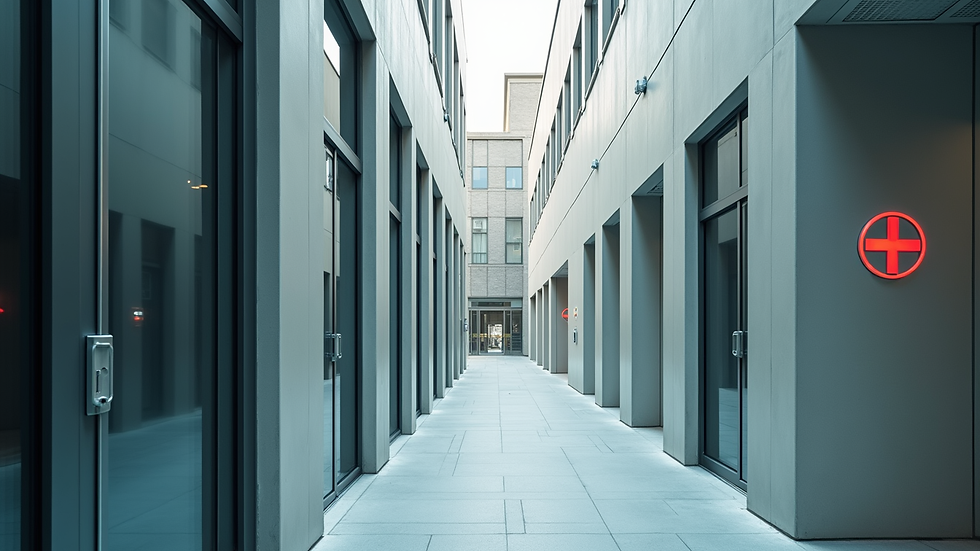
How Remote Fire Safety Compliance Works in Practice
You might wonder how a fire safety audit can be done remotely without compromising thoroughness. The answer lies in the clever use of technology and clear communication.
Typically, remote fire safety compliance involves:
Video walkthroughs: A building manager or designated staff member uses a smartphone or tablet to guide the fire safety auditor through the premises. This live video feed allows the auditor to inspect fire doors, alarms, extinguishers, and escape routes in real time.
Digital checklists: Auditors use standardised digital forms to record observations, ensuring nothing is missed. These checklists can be customised to suit different types of buildings and compliance requirements.
Photo and video evidence: High-quality images and videos are captured during the walkthrough to document the condition of fire safety equipment and any issues found.
Follow-up reports: After the audit, a detailed report is generated and shared electronically. This report includes recommendations, compliance status, and any urgent actions needed.
This approach not only saves travel time but also allows for more frequent audits, which is crucial for maintaining ongoing compliance.

The Benefits of Embracing Remote Fire Safety Compliance
Switching to remote fire safety compliance brings several advantages that can make a real difference in how organisations manage fire safety.
1. Cost Savings
Travel expenses and the time spent coordinating on-site visits can add up quickly. Remote audits reduce these costs significantly, freeing up budget for other important safety measures.
2. Increased Flexibility
Remote audits can be scheduled more easily, accommodating busy timetables and reducing disruption to daily operations. This is especially helpful for institutions like colleges and universities, where access to certain areas may be limited during term time.
3. Improved Documentation
Digital records are easier to store, access, and share. This means fire safety data is always at your fingertips, making it simpler to track compliance over time and prepare for inspections by regulatory bodies.
4. Enhanced Safety
By reducing the need for auditors to be physically present in potentially hazardous environments, remote audits help protect both staff and auditors.
5. Faster Issue Resolution
With real-time communication and instant reporting, any fire safety concerns can be addressed promptly, reducing the risk of incidents.
Practical Tips for Implementing Remote Fire Safety Compliance
If you’re considering adopting remote fire safety compliance, here are some practical steps to get started:
Choose the right technology: Invest in reliable video conferencing tools and digital checklist software that are user-friendly and secure.
Train your team: Ensure that building managers and staff understand how to conduct video walkthroughs and use digital tools effectively.
Prepare the site: Before the audit, make sure fire safety equipment is accessible and areas are well-lit to facilitate clear video inspection.
Communicate clearly: Set expectations with all parties involved about the audit process, timing, and any follow-up actions.
Review and improve: After each audit, gather feedback and look for ways to streamline the process further.
By following these steps, you can make the transition smooth and successful.
Looking Ahead: The Future of Fire Safety Compliance
The rise of remote fire safety compliance is just the beginning. As technology continues to advance, we can expect even more innovative solutions to emerge. For instance, the integration of artificial intelligence and smart sensors could allow for continuous monitoring of fire safety systems, alerting managers to issues before they become serious problems.
Moreover, the growing emphasis on sustainability and energy efficiency in buildings means fire safety solutions will need to adapt to new materials and designs. Remote compliance methods will play a key role in ensuring these evolving standards are met without adding unnecessary complexity.
Ultimately, embracing remote fire safety compliance is about more than just convenience. It’s about creating safer environments for everyone who lives, works, or studies in these buildings. By making fire safety audits easier and more effective, we can all contribute to a safer future.
If you want to explore how a remote fire safety audit can benefit your organisation, now is the perfect time to start the conversation.
I hope this insight into remote fire safety compliance has been helpful. Remember, staying ahead in fire safety is not just about ticking boxes - it’s about protecting lives and assets with smart, practical solutions. Let’s embrace this new era together.


Comments